
WELCOME TO
Therapeutic Healing by Reese, LLC
Your Journey Begins NOW!
Specialty Services
-
Borderline Personality Disorder (BPD) is a mental health condition that affects the way someone experiences emotions, relationships, and their sense of self. People with BPD often feel emotions very deeply and intensely, which can make relationships, stress, and everyday life feel overwhelming at times.
BPD is not about being “dramatic,” “manipulative,” or “too much.” It’s often rooted in emotional pain, sensitivity, and experiences that made it hard to feel safe, understood, or supported.
BPD can also occur alongside other challenges, including eating disorders, self-harm, dissociation, anxiety, depression, trauma-related symptoms, and other complex emotional experiences. Because these concerns can overlap, having an accurate and thoughtful understanding of what someone is experiencing is important. I am familiar with appropriate clinical assessment and testing to help clarify symptoms and support treatment planning when needed.
The good news is that BPD is treatable, and healing is possible. With the right support, people can build healthier relationships, regulate emotions, and feel more stable and connected in their lives.
-
Healing from BPD is more than possible! Therapy can help you understand emotional patterns, feel more in cont with others.
I primarily use Dialectical Behavior Therapy (DBT), an evidence-based approach specifically designed to help with emotional intensity, relationship struggles, and overwhelming thoughts or feelings. DBT combines practical coping skills with compassion and self-understanding.
At times, I may also incorporate other approaches, such as CBT, to support your specific needs and goals. Treatment is collaborative, supportive, and tailored to you as a person, not just a diagnosis.
-
If your spouse, partner, or family member has BPD, you may feel like you’re constantly walking on eggshells or unsure how to respond during emotional moments. These experiences can be painful for everyone involved.
With education, support, and therapy, relationships can improve. Learning about BPD can help you better understand your loved one’s emotional experiences while also helping you build healthier communication and boundaries.
Borderline Personality Disorder
-
Emotional regulation is the ability to understand, manage, and respond to emotions in a healthy and balanced way. This does not mean never feeling upset, angry, anxious, or overwhelmed , it means being able to experience emotions without feeling completely consumed by them.
For some people, emotions can feel extremely intense, fast-moving, or difficult to control. Small stressors, conflict, rejection, or feelings of abandonment may trigger strong emotional reactions that feel overwhelming both mentally and physically. Emotional regulation difficulties are common in people experiencing trauma, anxiety, BPD, relationship distress, and other mental health concerns.
-
When the nervous system becomes overwhelmed, the brain shifts into survival mode. During these moments, it can become much harder to think clearly, communicate effectively, or respond calmly. People may experience emotional flooding, panic, anger, shutdown, impulsive behaviors, dissociation, or a strong urge to escape emotional pain.
For some individuals, dysregulation may lead to behaviors like self-harm, substance use, emotional withdrawal, relationship conflict, binge eating, or other coping strategies meant to reduce overwhelming emotions in the moment. These behaviors are often attempts to manage emotional pain not signs of weakness or failure.
Many people who struggle with emotional regulation describe feeling stuck in cycles where emotions quickly become “too much,” followed by guilt, shame, or difficulty repairing relationships afterward.
-
Emotional regulation skills can be learned and strengthened through therapy. One of the most effective approaches for emotional dysregulation is Dialectical Behavior Therapy (DBT), an evidence-based treatment designed to help individuals better manage intense emotions, impulsive behaviors, relationship stress, and self-destructive coping patterns.
DBT focuses on helping people:
Understand emotional and nervous system responses
Build healthier coping skills
Reduce impulsive or self-harming behaviors
Improve communication and relationships
Increase distress tolerance during overwhelming moments
Create greater emotional stability and self-awareness
Depending on individual needs, therapy may also incorporate CBT and other approaches to support healing and long-term change. Treatment is collaborative, supportive, and tailored to each person’s experiences and goals.
Emotional Regulation
-
All couples experience conflict, but in some relationships, disagreements can quickly become emotionally intense, repetitive, or difficult to recover from. Many high-conflict couples find themselves stuck in cycles where one partner pursues connection or reassurance while the other withdraws, shuts down, or avoids conflict altogether. These anxious and avoidant relationship patterns can create feelings of rejection, frustration, loneliness, and emotional exhaustion for both partners.
When our nervous systems feel overwhelmed, communication often becomes reactive instead of productive. Arguments may escalate quickly, small misunderstandings can feel deeply personal, and both partners may begin operating from stress, fear, or self-protection rather than connection.
In therapy, we work to better understand the emotional and nervous system patterns underneath the conflict, not just the arguments themselves. My approach incorporates evidence-based therapies including DBT and CBT to help couples improve emotional regulation, communication, conflict management, and relationship stability. Therapy is collaborative, structured, and focused on helping both partners feel more emotionally safe, understood, and connected.
-
Yes ! Many high-conflict relationships can improve with the right support and willingness from both partners. Often, couples are not failing because they do not care about each other, but because they have become stuck in reactive emotional patterns that keep both people feeling unheard or disconnected.
For example, one partner may cope with stress by seeking reassurance, closeness, or immediate resolution, while the other copes by withdrawing, avoiding, or emotionally shutting down. Over time, these anxious and avoidant cycles can intensify conflict and leave both partners feeling frustrated and misunderstood.
Therapy helps couples recognize these patterns, better regulate their nervous systems during conflict, and develop healthier ways of communicating and reconnecting. The goal is not to eliminate disagreements completely, but to create a relationship where conflict feels safer, more manageable, and less emotionally damaging.
-
Couples therapy may be helpful if you and your partner feel stuck in recurring arguments, struggle to communicate without escalation, feel emotionally disconnected, or notice patterns of pursuing and withdrawing in the relationship. Many couples come to therapy feeling exhausted by conflict, walking on eggshells around each other, or unsure how to break unhealthy cycles.
Therapy can help both partners better understand their emotional responses, attachment patterns, and nervous system reactions during stress and conflict. Together, we work on building healthier communication, emotional regulation, boundaries, and connection.
You do not have to wait until your relationship is at a breaking point to seek support. Couples therapy can help strengthen understanding, improve emotional safety, and create healthier patterns before conflict becomes more damaging.
High Conflict Couples
-
A toxic relationship is a relationship pattern that consistently leaves one or both people feeling emotionally unsafe, drained, invalidated, controlled, or overwhelmed. Toxic dynamics can happen in romantic relationships, families, friendships, or other close relationships.
These relationships are often marked by patterns such as intense conflict, poor communication, emotional instability, manipulation, criticism, dishonesty, boundary violations, or repeated cycles of hurt and repair that never fully resolve. In some relationships, one person may feel anxious and constantly seeking reassurance, while the other withdraws, avoids accountability, or becomes emotionally unavailable. Over time, these patterns can create confusion, insecurity, and emotional exhaustion.
Not every difficult relationship is “toxic,” but when unhealthy patterns become chronic and begin impacting emotional wellbeing, self-esteem, or daily functioning, support can be helpful.
-
When relationships feel emotionally unpredictable or unsafe, the nervous system can remain in a constant state of stress or hypervigilance. People may begin walking on eggshells, overthinking interactions, struggling to trust themselves, or feeling emotionally reactive and overwhelmed.
Toxic relationship patterns can contribute to anxiety, depression, emotional dysregulation, self-harm, dissociation, low self-worth, or difficulty setting boundaries. Some people may find themselves repeatedly pulled into unhealthy relationship cycles, even when they recognize the relationship is hurting them.
These patterns are often connected to attachment wounds, past trauma, fears of abandonment or rejection, and learned relationship dynamics — not simply a lack of willpower or “bad choices.”
-
Therapy can help individuals better understand unhealthy relationship patterns, strengthen emotional regulation, and develop healthier ways of communicating, setting boundaries, and responding to conflict.
My approach incorporates evidence-based therapies including DBT and CBT, which can be especially helpful for individuals who experience intense emotions, relationship instability, anxious or avoidant attachment patterns, self-harm behaviors, or difficulty managing overwhelming stress. Therapy may focus on:
Building healthier boundaries
Improving self-worth and self-trust
Understanding attachment and relationship patterns
Strengthening emotional regulation skills
Reducing impulsive or self-destructive coping behaviors
Learning safer and more effective communication strategies
Increasing nervous system regulation and emotional safety
The goal of therapy is not only to address symptoms, but to help create healthier, more stable, and more fulfilling relationships moving forward.
Toxic Relationships


ABOUT ME
I’m a Marine Corps veteran and proud mom of one! From a young age, I’ve always been highly intuitive, sensitive to shifts in energy, and deeply emotional. These natural abilities have guided me on a journey to help others, but as a therapist, I often felt like I wasn’t doing enough to make the impact I desired.
Today, I channel those intuitive gifts to support people in more meaningful ways. I’m the host of a global podcast that reaches millions, sharing insights that help people heal and grow. In my private practice, I specialize in helping individuals navigate toxic relationships, narcissistic abuse, and borderline personality disorder.
In addition to therapy, I offer tarot and astrology readings, blending spirituality with personal development. I’m also a keynote speaker with extensive experience in media, driven to inspire and empower others through every platform I reach.
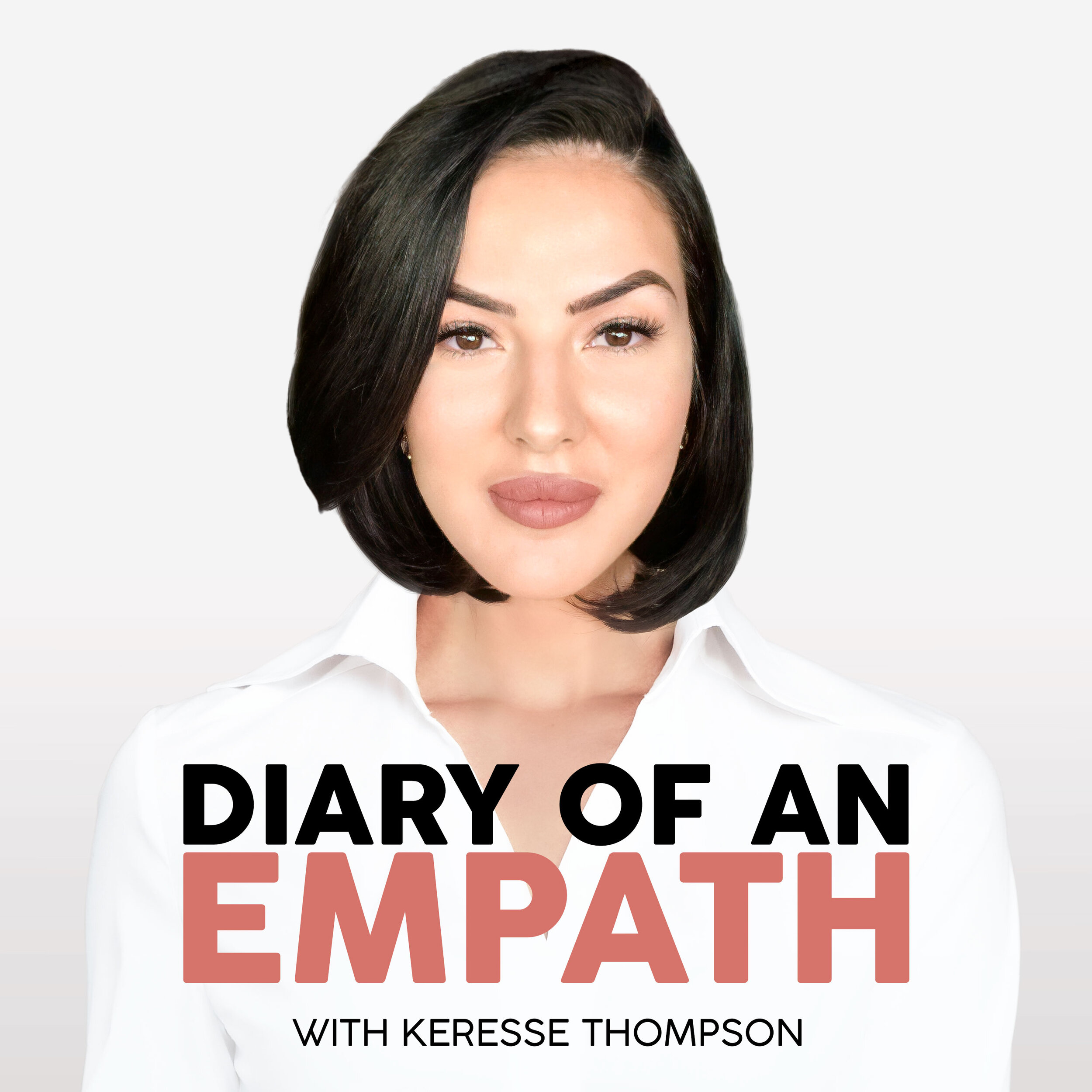
DIARY OF AN EMPATH PODCAST
Listen to my Podcast Episodes

Florida/Massachusetts Residents Only
-
UnitedHealthcare
Oxford Health Plans
Aetna
UMR
Oscar
UHC Student Resources
AllSavers UHC
Meritain
Nippon
United Healthcare Shared Services
Allied Benefit Systems - Aetna
Surest (Formerly Bind)
Health Plans Inc.
UnitedHealthcare Global
Christian Brothers Services - Aetna
Trustmark Health Benefits - Aetna
Trustmark Small Business Benefits - Aetna
Health Scope - Aetna
BCBS MA
Optum
-
Individual: $175 per session
Couples: $200 per session.
I do not accept insurance for couples counseling. However, I do provide a superbill for possible reimbursement from insurance.

Psychic Readings
Tarot, an ancient divination practice, offers profound wisdom and illuminates the hidden aspects of your life. As a skilled and intuitive Tarot reader, Keresse combines years of clinical experience with a deep understanding of the Tarot's symbolic language to provide you with transformative readings.
Whether you seek guidance on love, relationships, career, or personal growth, Keresse creates a safe and nurturing space for exploration and empowerment. With compassion and insight, they guide you towards understanding, offering practical advice and empowering you to make choices aligned with your authentic self.

COACHING SERVICES
READY TO START INVESTING IN YOUR GROWTH?

WHAT WE OFFER
Book our Services Now!